
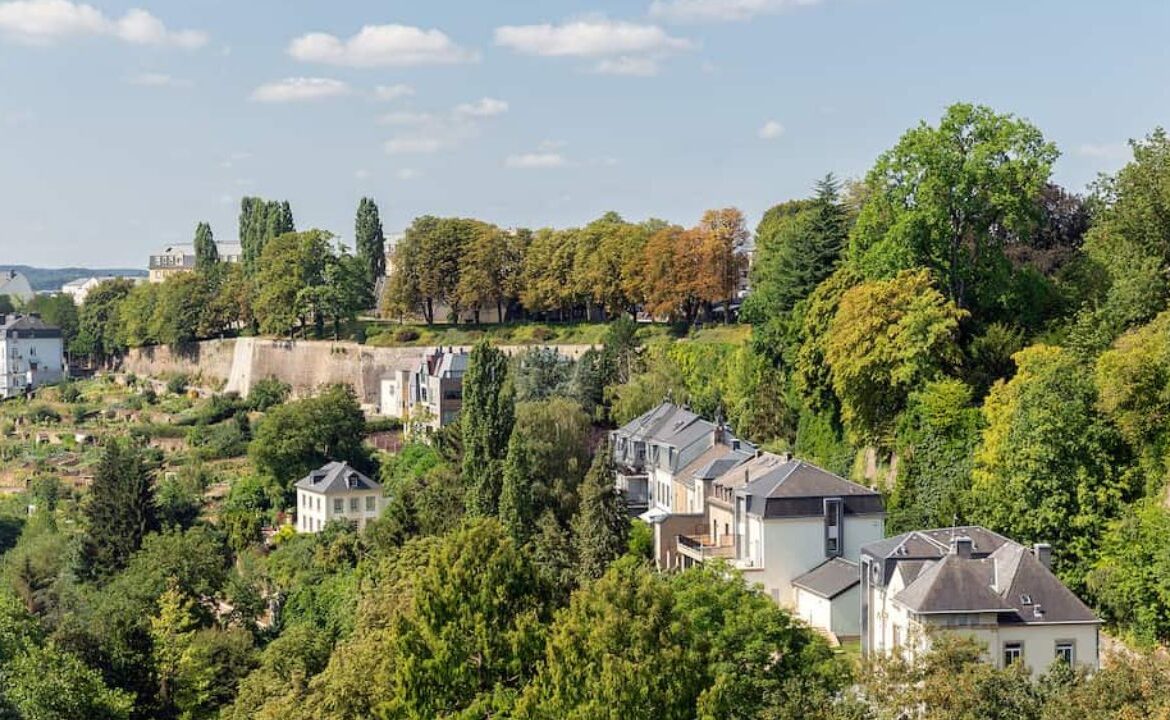
Corporate Apartment Costs in Luxembourg
Corporate Apartment accommodation is often the most practical solution for companies planning employee mobility in Luxembourg. Planning relocation and employee mobility budgets in Luxembourg can be difficult. The country has a limited housing supply, strong demand from international professionals, and one of Europe’s most competitive rental markets. Even experienced HR and finance teams may struggle to predict the final cost once utilities, cleaning, deposits, parking, flexibility, and administrative services are included.
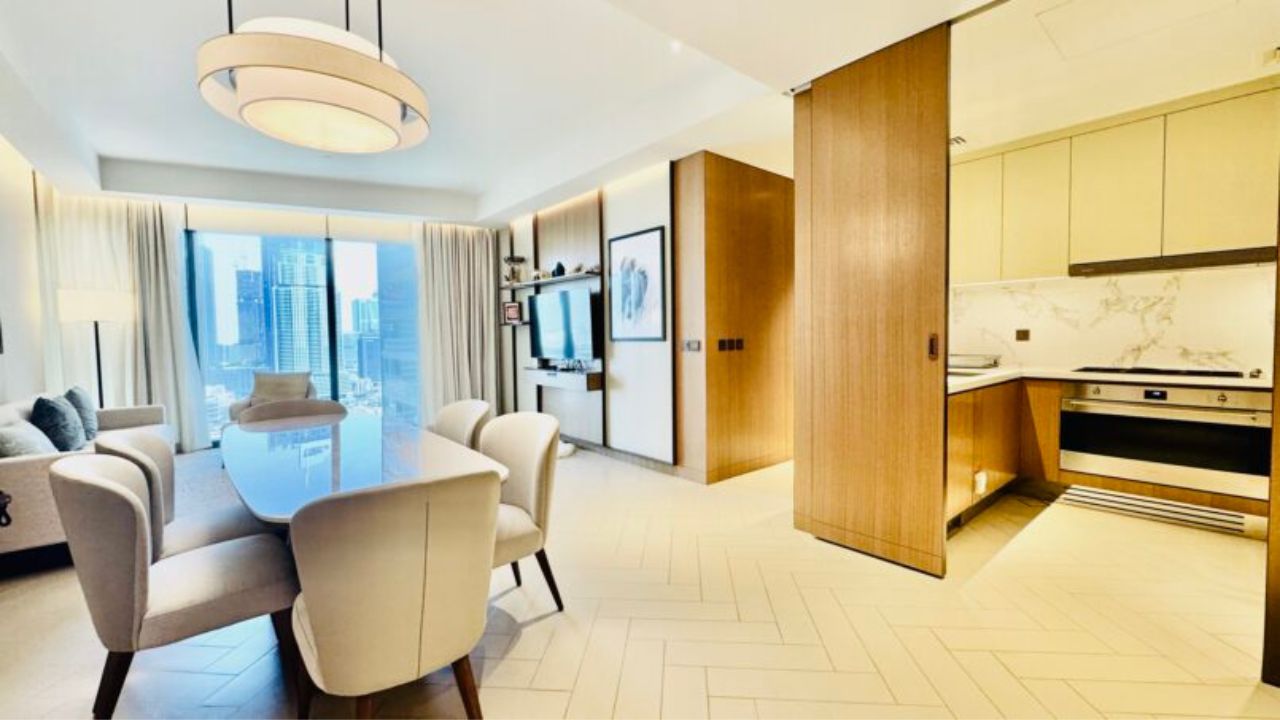
This guide is designed for HR managers, global mobility teams, relocation specialists, procurement departments, and finance professionals responsible for corporate housing. It explains how corporate apartment prices are calculated, what employers should include in their budgets, how different Luxembourg districts compare, and when serviced apartments become more cost-effective than hotels or traditional rentals.
The goal is to help employers create realistic housing allowances while maintaining flexibility, employee comfort, and financial control.
Why Corporate Apartments Cost What They Do in Luxembourg
Luxembourg’s corporate housing prices reflect the wider pressure on the country’s rental market. Advertised apartment rents increased by 4.4% between the first quarter of 2025 and the first quarter of 2026, considerably faster than inflation during the same period. Luxembourg City also has some of the country’s highest rents per square metre.
Several factors influence the price of corporate apartments:
- Limited residential development and available rental stock
- Demand from European institutions, banks, investment firms, consultancies, and technology companies
- A large international workforce requiring temporary accommodation
- Competition for properties close to Kirchberg, Cloche d’Or, Gare, and the city centre
- High furnishing, maintenance, cleaning, and property-management costs
- The additional flexibility required for temporary assignments
Corporate apartments versus standard rentals
A traditional rental is usually priced as a residential property. Furniture, electricity, internet, cleaning, kitchen equipment, linen, maintenance coordination, and move-in assistance may not be included.
Corporate and serviced apartments follow a different pricing model. The monthly price may cover:
- A fully furnished and equipped apartment
- Electricity, water, heating, and internet
- Professional cleaning
- Linen and towel replacement
The monthly amount is therefore usually higher than the base rent of an unfurnished apartment. However, it can reduce setup costs, administration, employee downtime, and financial exposure.
Core Corporate Apartment Cost Breakdown
The following ranges are intended for preliminary employer budgeting as of July 2026. They are not fixed market tariffs.
Live serviced-apartment listings show significant differences by location and apartment quality. Examples include Limpertsberg studios advertised from approximately €59.80 to €115 per night, Cloche d’Or studios from approximately €103.50 to €119, one-bedroom properties from approximately €124 to €189, and larger apartments reaching €195 to €220 per night.
Estimated monthly cost by apartment and district
| Luxembourg district | Studio | 1-bedroom | 2-bedroom | 3-bedroom or larger |
|---|---|---|---|---|
| Kirchberg | €2,500-€3,800 | €3,800-€5,700 | €4,800-€6,500 | €6,500-€9,000 |
| Gare | €2,600-€3,800 | €3,500-€4,900 | €4,600-€6,200 | €5,800-€8,000 |
| Belair | €2,700-€4,000 | €3,800-€5,500 | €5,000-€6,800 | €6,500-€9,000 |
| Limpertsberg | €1,900-€3,500 | €3,500-€4,800 | €5,000-€6,300 | €6,500-€8,200 |
| Cloche d’Or and Gasperich | €2,900-€3,800 | €3,800-€5,200 | €4,300-€5,800 | €6,000-€8,500 |
These figures represent broad serviced-apartment planning ranges. The final quote will depend on the property, assignment dates, number of occupants, cleaning frequency, parking, cancellation terms, and length of stay.
For comparison, Luxembourg City’s median rent for existing residential leases was reported at €25.56 per square metre. New listings and fully serviced accommodation can be considerably more expensive because they reflect current market conditions and include additional services.
Length-of-stay pricing tiers
Short stays generally carry a higher monthly equivalent because the provider must cover more frequent vacancies, check-ins, cleaning, linen changes, marketing, and administration.
| Assignment length | Typical pricing approach | Suggested budget multiplier |
|---|---|---|
| Less than 1 month | Nightly or short-stay rate | 100% of listed rate |
| 1-3 months | Monthly corporate rate | 90%-100% |
| 3-6 months | Negotiated extended-stay rate | 82%-95% |
| 6-12 months | Long-stay corporate agreement | 75%-90% |
| Multiple employees or recurring bookings | Volume or account rate | Negotiated individually |
The percentages above are budgeting assumptions rather than guaranteed discounts. Providers may offer stronger reductions for predictable occupancy, multiple apartments, limited cancellation rights, or off-peak arrival dates.
Utilities and included services
| Cost item | Common treatment | Possible additional budget |
|---|---|---|
| Electricity and heating | Often included, sometimes subject to fair-use limits | €100-€300 per month |
| Water | Usually included | €30-€70 per month if separate |
| High-speed internet | Usually included | €40-€80 per month if separate |
| Weekly cleaning | Often included in serviced rates | €100-€300 per month |
| Linen and towels | Commonly included | €40-€120 per service |
| Final cleaning | May be charged separately | €100-€300 |
| Maintenance support | Usually included | Confirm response times |
| Television package | Basic service may be included | €20-€70 per month |
| Additional occupant | Sometimes charged separately | €100-€400 per month |
Employers should request an itemised quote showing exactly what is included. A lower advertised rent can become more expensive after utilities, cleaning, internet, furniture, and management costs are added.
Agency, booking, and management fees
Traditional residential rentals may involve an estate agency commission. For residential leases signed from 1 August 2024, Luxembourg requires the agency fee to be divided equally between the landlord and tenant. Any contract attempting to place the entire fee on the tenant is considered invalid.
A recent Luxembourg listing, for example, stated that each party would pay the equivalent of half a month’s rent plus 17% VAT.
Serviced-apartment providers may use a different structure. Possible charges include:
- Booking fees
- Account-management fees
- Employee relocation support
- Meet-and-greet services
- Late check-in fees
Some providers incorporate these services into a single monthly price. Always compare the total assignment cost rather than the advertised rent alone.
Deposit and guarantee requirements
For standard Luxembourg residential leases, the maximum rental guarantee is two months of rent, excluding service charges. This limit was reduced from three months under the rental reforms that entered into force in August 2024.
For serviced apartments, the security arrangement may instead take the form of:
- A refundable cash deposit
- A corporate guarantee
- A credit-card pre-authorisation
- A fixed damage deposit
- A master corporate agreement
- Deposit-free booking for approved clients
Employers should separate refundable deposits from actual accommodation expenses in their internal budget.
VAT considerations for corporate billing
Luxembourg currently applies a standard VAT rate of 17%, alongside reduced rates including 8%. However, the correct treatment of accommodation depends on the legal and commercial structure of the service.
Ordinary rental of an existing residential property is generally VAT-exempt. Temporary accommodation and certain bundled accommodation services may be taxable. Cleaning, management, parking, and other separately invoiced services may also receive different VAT treatment.
Finance departments should request a sample invoice before approving a corporate housing provider. The invoice should clearly identify:
- Net accommodation cost
- Taxable services
- Applied VAT rate
- VAT amount
- Parking and cleaning charges
Employers should not assume that every serviced apartment will receive the same VAT treatment. A Luxembourg tax adviser should confirm deductibility for the employer’s specific business activity.
Hidden or Often-Overlooked Costs
The main monthly rate is only one part of the corporate housing budget. Additional charges can materially change the total cost of an assignment.
Parking
Parking is not automatically included, even in premium apartments. Current listings show optional parking from approximately €125 to €250 per month in districts such as Kirchberg, Gare, Belair, and Limpertsberg.
For budgeting purposes, employers can allow:
- €125-€250 per month for a standard indoor space
- €250-€350 for premium or highly central parking
- Additional costs for electric-vehicle charging
Before paying for parking, confirm whether the employee actually needs a car. Public transport within Luxembourg is free, which can reduce the need for a parking allowance.
Furniture and equipment upgrades
A standard apartment may not meet every employee’s needs. Additional costs can arise from:
- A larger desk or ergonomic office chair
- Baby beds, high chairs, or childproofing equipment
- Additional kitchen equipment
- Extra beds
- Premium television packages
For a long assignment, employers should identify these requirements before confirming the property.
Early termination and flexibility clauses
Flexibility has a financial value. A lower rate may require the employer to commit to the full assignment period.
Review the following terms:
- Required notice period
- Early departure penalties
- Minimum billable stay
- Extension conditions
- Rate changes after an extension
A flexible apartment costing slightly more per month may be less expensive than a cheaper apartment with a large early-termination penalty.
Insurance requirements
Providers may expect the resident or employer to maintain tenant liability or contents insurance. Corporate travel insurance may not automatically cover long-term residential occupancy.
Confirm whether the rate includes:
- Building insurance
- Furniture and equipment protection
- Accidental damage
- Personal liability
- Theft of personal belongings
- Emergency accommodation after property damage
Seasonal demand and availability
Luxembourg’s accommodation market can tighten during:
- Major European institutional meetings
- Large conferences and business events
- Graduate and new-hire intake periods
- September school-year relocations
- Major project launches
- Periods of concentrated EU or financial-sector activity
Seasonal pressure may not appear as a separate surcharge. Instead, employers may face fewer available apartments, stricter cancellation terms, or a requirement to select a more expensive property.
Booking early is especially important for family-sized apartments and accommodation close to international schools.
Corporate Apartments vs Hotels vs Traditional Rentals
The most appropriate housing model depends on assignment length, employee profile, internal resources, and required flexibility.
Monthly cost and operational comparison
| Accommodation type | Typical monthly cost | Flexibility | Employer administration | Employee experience |
|---|---|---|---|---|
| Hotel | €4,200-€7,500+ | Very high | Low | Convenient, but limited living space |
| Serviced corporate apartment | €2,700-€6,500+ | High | Low to moderate | Private kitchen, workspace, and home environment |
| Traditional furnished rental | €2,000-€4,500+ | Moderate to low | High | Comfortable, but setup may be required |
| Traditional unfurnished rental | €1,500-€3,500+ | Low | Very high | Suitable for long assignments only |
Luxembourg City hotels recorded an average daily rate of approximately €154 during 2025. At that rate, 30 nights would cost about €4,620 before extras such as breakfast, laundry, parking, or room-service expenses.
Where is the crossover point?
A practical rule for employers is:
- Under 14 nights: A hotel is usually the simplest option.
- Two to four weeks: Compare hotels and serviced apartments carefully.
- One to six months: Serviced apartments are usually the strongest option.
- Six to twelve months: Compare long-stay serviced rates with furnished residential leases.
- More than twelve months: A traditional lease may offer better value if the employer can manage furniture, utilities, deposits, and administration.
A serviced apartment can become cost-effective earlier when the employee would otherwise need hotel laundry, restaurant meals, multiple rooms for a family, or extended parking.
How Employers Can Build a Housing Budget
A reliable budget should reflect the employee’s real assignment requirements rather than using a single standard allowance for everyone.
Step 1: Define the employee profile
Record:
- Employee role and seniority
- Individual or family assignment
- Number and ages of accompanying children
- Required number of bedrooms
- Accessibility needs
A studio may be appropriate for a junior consultant staying alone. A senior executive relocating with a family may require a three-bedroom property, parking, school access, and enhanced flexibility.
Step 2: Confirm the assignment length
Calculate the likely assignment period and include a contingency for extensions. A three-month booking that is repeatedly extended at short-stay rates can cost more than an initial six-month agreement.
Where the assignment end date is uncertain, negotiate:
- A fixed initial period
- A monthly extension option
- A maximum extension rate
- A reasonable cancellation window
- The ability to transfer the booking to another employee
Step 3: Select the appropriate location
The cheapest apartment may create higher transport costs and longer commuting times.
Consider:
- Distance from the employee’s workplace
- Direct tram or bus connections
- Access to schools and childcare
- Grocery stores and daily services
Step 4: Build an all-inclusive cost model
Use the following calculation:
Monthly housing budget = Apartment rate + utilities + cleaning + parking + management charges + insurance + flexibility reserve
For the first month, add:
First-month cash requirement = Monthly housing budget + deposit + booking or agency fees + relocation setup costs
Step 5: Add a contingency reserve
A contingency of approximately 5%-10% can cover:
- Assignment extensions
- Additional cleaning
- Rate changes
- Property changes
- Replacement accommodation
Sample employer budget ranges
| Employee requirement | Suggested accommodation | Monthly planning range |
|---|---|---|
| Cost-conscious individual assignment | Studio outside the premium core | €2,200-€3,000 |
| Professional individual assignment | Central studio or 1-bedroom | €3,000-€4,300 |
| Senior employee or couple | Premium 1-bedroom | €4,000-€5,500 |
| Employee with one or two children | 2-bedroom apartment | €4,800-€6,500 |
| Executive family assignment | Premium 3-bedroom apartment | €6,500-€9,000+ |
These allowances should be adjusted for parking, premium services, short notice, pets, special equipment, and high-demand periods.
How to negotiate corporate rates
Employers can improve pricing by offering providers predictable demand and simpler administration.
Useful negotiation points include:
- A minimum annual number of bookings
- Multiple apartments under one agreement
- A preferred-provider relationship
- Standard apartment specifications
- Centralised company billing
Do not negotiate only on the monthly rent. Cleaning, parking, deposits, cancellation rights, invoice structure, and employee support may provide greater overall savings.
Regional Cost Variations Within Luxembourg
Location is one of the strongest influences on corporate apartment costs.
Luxembourg City centre and Gare
The city centre offers convenient access to offices, restaurants, retail, and transport. Gare is particularly useful for employees commuting by train or needing rapid connections across the city.
Advantages include:
- Central location
- Excellent public transport
- Strong restaurant and retail access
- Convenient short-term living
Possible disadvantages include noise, smaller apartments, parking limitations, and stronger competition for quality properties.
Kirchberg
Kirchberg is the institutional, financial, and cultural business district. It is especially suitable for employees working for EU institutions, banks, law firms, financial companies, and international organisations.
Employers may pay a premium for:
- Walking-distance access to offices
- Modern buildings
- International schools
- Tram connectivity
- Secure parking
- Executive-quality apartments
The higher housing rate may be justified by shorter commuting times and reduced employee transport costs.
Belair and Limpertsberg
Belair and Limpertsberg are popular residential areas for professionals, couples, and families. Limpertsberg offers a quieter environment while remaining close to Kirchberg and the city centre.
These areas can provide:
- A more residential employee experience
- Access to schools and parks
- Larger apartments
- Good connections to business districts
- A balance between convenience and family comfort
Premium furnished properties can still be expensive, particularly when parking and outdoor space are included.
Cloche d’Or and Gasperich
Cloche d’Or and Gasperich are attractive for employees working in Luxembourg’s southern business district. The area includes modern developments, shopping facilities, parks, and relatively new apartment buildings.
It is especially practical for employees working near major consulting, auditing, and professional-services offices.
Outskirts and commuter towns
Employers can often reduce housing costs by considering areas outside central Luxembourg City.
Possible locations include:
- Strassen
- Bertrange
- Hesperange
- Howald
- Mamer
- Walferdange
- Sandweiler
- Esch-sur-Alzette
Savings must be compared with commuting time, transport availability, parking requirements, and the employee’s lifestyle.
A lower apartment rate may not produce genuine savings if the employer must also provide a vehicle, parking, fuel, or regular taxi transportation.
Corporate apartment costs in Luxembourg depend on much more than the advertised monthly rent. Employers must consider location, apartment size, assignment length, utilities, cleaning, VAT treatment, parking, deposits, cancellation terms, and employee support.
For shorter assignments, hotels may provide the easiest solution. For stays of one month or longer, serviced apartments often create a better balance between flexibility, employee comfort, administration, and total cost. Traditional rentals can become economical for longer assignments, but they usually require more setup and management.
LuxFlat provides furnished and equipped corporate apartments across Luxembourg, including locations such as Kirchberg, Gare, Belair, Limpertsberg, Gasperich, and Cloche d’Or. Corporate clients can access curated accommodation options, local support, and solutions designed around employee assignments and relocation requirements.
Request a tailored corporate housing quote from LuxFlat to compare suitable apartments, locations, services, and long-stay rates for your employees.