
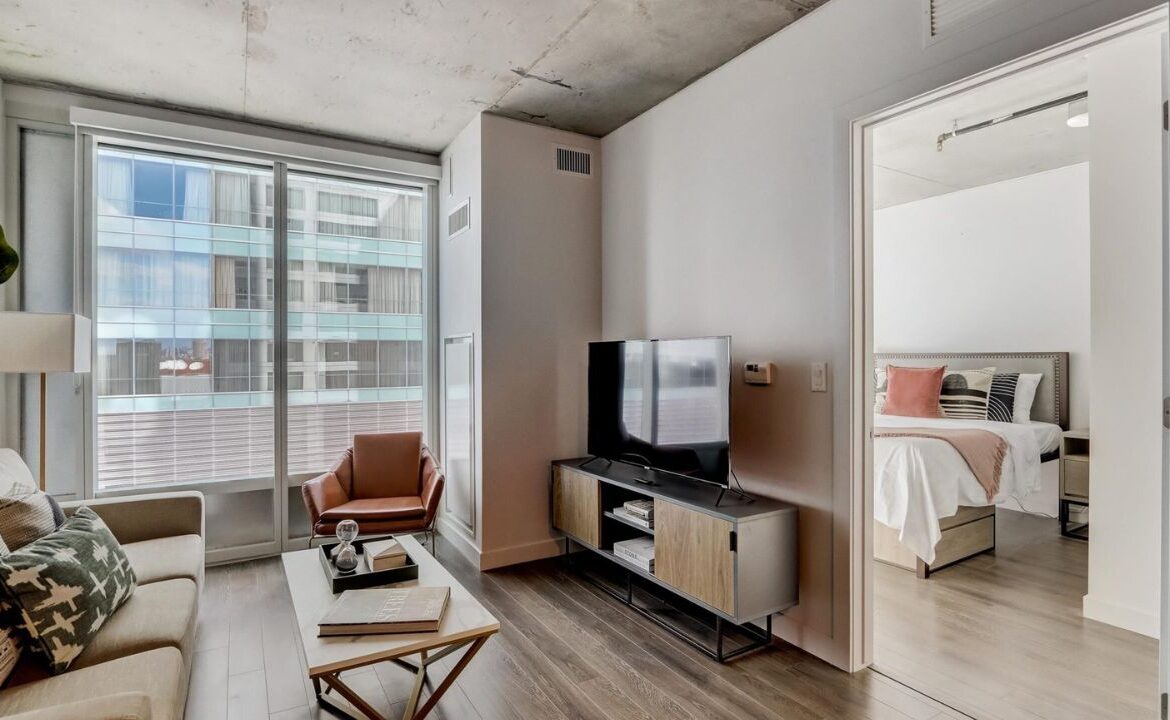
Corporate Housing for Project Teams
Corporate Housing for a project team from one to six months or longer creates a decision that affects more than the accommodation budget. HR managers, procurement teams and project leaders must choose between booking private apartments for each employee and placing several colleagues in shared accommodation. Choosing the right corporate housing solution can also improve employee comfort, collaboration and overall project efficiency while helping companies manage relocation costs.

Individual apartments provide privacy, independence and greater control over daily routines. Shared housing can lower the cost per employee and make coordination easier, particularly for larger teams. However, the cheapest arrangement on paper may not deliver the best results if employees cannot rest, work privately or maintain reasonable personal boundaries.
The right option depends on the number of employees, assignment length, team seniority, available budget and company culture. For many projects, a carefully planned combination of individual and shared apartments provides the best balance.
What Counts as Corporate Housing for Project Teams
Corporate housing is furnished residential accommodation booked for employees travelling or relocating for business purposes. It is commonly used for assignments lasting 30 nights or longer, although shorter and significantly longer stays can also be arranged.
Unlike a conventional hotel room, corporate housing normally provides:
- A private or shared kitchen
- Separate living and sleeping areas
- WiFi and essential utilities
- Laundry facilities or access to laundry services
- Regular cleaning options
- A residential environment suitable for extended stays
Corporate accommodation is often booked by relocation managers, HR teams, procurement departments, mobility specialists or project leaders. The booking may cover a single consultant, a small technical group or a complete project team.
There are two main accommodation models.
Individual Corporate Apartments
Each employee receives a private studio or apartment. The employee normally has exclusive use of the bedroom, bathroom, kitchen and living space. Individual apartments may be located in the same building or neighbourhood, allowing team members to remain close without sharing their personal living areas.
Shared Corporate Accommodation
Two or more employees live in the same apartment or house. They may have separate bedrooms while sharing the kitchen, living room, laundry facilities and, in some properties, bathrooms. Shared housing can reduce the number of units a company needs to book, but it requires careful consideration of room allocation, employee compatibility and personal boundaries.
How Corporate Housing Differs from Hotels
Hotels are designed primarily for short stays and daily guest turnover. Corporate apartments are intended to function more like temporary homes.
For extended assignments, access to a kitchen, a living room, storage space and laundry facilities can make daily life more practical. A corporate apartment may also provide a more stable environment for employees who need to work remotely or follow irregular project schedules.
Individual Apartments: Pros and Cons
Booking one apartment for each employee is usually the most comfortable arrangement. It gives team members independence and allows them to separate their professional responsibilities from their personal time.
The main disadvantage is cost. A company may need to book more units, pay multiple cleaning charges and manage separate contracts or check in arrangements.
Privacy and Work Life Balance
A private apartment gives an employee control over sleeping, eating, working and relaxing without needing to coordinate with colleagues.
This can be particularly important after long working days. Employees may spend eight or more hours together at the project site, in meetings or while travelling. Requiring them to share their accommodation can make it difficult to disconnect from work.
Private units also reduce potential conflicts involving:
- Noise levels
- Cleaning habits
- Cooking schedules
- Visitors
- Bathroom use
- Different sleeping routines
- Remote meetings and confidential calls
The separation between work and personal life becomes increasingly important as the assignment gets longer.
Cost per Employee
Individual apartments generally have a higher direct cost per employee because each person occupies a complete unit. However, the total cost should be assessed rather than focusing only on the nightly rate. A private unit may reduce room changes, employee complaints, relocation requests and productivity problems caused by unsuitable shared arrangements.
The effective cost may also become more competitive when:
- The booking period is several months
- Utilities are included
- Weekly or monthly cleaning is included
- The employee can prepare meals in the apartment
- The company negotiates rates for multiple units
- Apartments are booked within the same building
Corporate rates should therefore be compared using the full assignment cost rather than the advertised nightly price alone.
Flexibility for Staggered Arrivals and Departures
Project teams do not always arrive and leave together. Managers may arrive first, specialists may join during a later phase and some employees may leave before the project is completed. Individual units make these changes easier to manage. One employee can check out without affecting the living arrangements of everyone else.
Private apartments are also helpful when:
- Project schedules change unexpectedly
- Employees require different contract lengths
- Team members rotate during the assignment
- New specialists join temporarily
- One employee extends their stay
Shared accommodation may become less efficient when frequent personnel changes create empty bedrooms or repeated room reallocations.
When Individual Units Make Sense
Individual apartments are especially suitable for:
- Senior managers and executives
- Employees handling confidential information
- Assignments lasting several months
- Employees working different shifts
- Team members with frequent remote meetings
Private accommodation can also be appropriate when the employer wants to provide the same housing standard to every employee.
Shared Accommodation: Pros and Cons
Shared corporate housing places multiple employees in one larger apartment or house. Each employee may have a private bedroom, but kitchens, living rooms and other facilities are shared. This arrangement can be cost effective, particularly for larger groups. However, successful shared housing depends on property layout, employee expectations and clear company policies.
Cost Efficiency for Large Teams
Shared accommodation can reduce the cost per employee because several people contribute to the cost of one property. Instead of booking six studios, for example, an employer might book two three bedroom apartments. The company pays for fewer kitchens, living rooms and utility accounts.
Possible savings may come from:
- Fewer total units
- Shared utility consumption
- Fewer cleaning contracts
- Reduced booking administration
- Lower total security deposits
The savings are usually more noticeable when the property has enough genuine bedrooms and common space for the number of employees. Placing too many people in a small unit may reduce the price but increase dissatisfaction, conflict and requests for alternative accommodation.
Team Bonding vs Privacy Trade Offs
Living together can strengthen relationships within a project team. Employees can coordinate travel, prepare meals together and discuss day to day project issues informally. This can be helpful for new teams, trainees or employees arriving in a country where they have no established social network.
However, team bonding should not be treated as a substitute for privacy. Employees may have different cultural expectations, dietary habits, religious practices, sleeping routines or preferences regarding social interaction.
Shared accommodation may become stressful when employees feel that they are always available to colleagues. Managers should avoid assuming that people who work well together will automatically be compatible housemates.
Logistics of Shared Units
The quality of shared accommodation depends heavily on the apartment configuration.
A suitable shared unit should ideally provide:
- One proper bedroom per employee
- Sufficient bathroom access
- A kitchen sized for multiple occupants
- Adequate refrigerator and storage space
- A living area that does not double as a bedroom
Room allocation should be agreed before arrival. Employees should know whether bathrooms are shared, how cleaning is handled and what happens when one person leaves before the others. Companies may also need policies covering visitors, noise, smoking, property damage and shared household expenses.
When Shared Housing Makes Sense
Shared accommodation may be appropriate for:
- Short project assignments
- Graduate or junior employee programmes
- Construction, engineering or installation teams
- Employees already accustomed to working and travelling together
- Budget constrained assignments
Shared housing is most successful when participation is transparent and employees understand the arrangement before accepting the assignment.
Potential Disadvantages of Shared Housing
The main risks include:
- Lack of privacy
- Conflicting lifestyles and schedules
- Noise and sleep disruption
- Disputes about cleaning or cooking
- Limited space for remote work
These risks increase when colleagues are placed together without being consulted or when the property was not designed for multiple adult residents.
Cost Comparison: Individual vs Shared
There is no universal price difference between the two models. Rates depend on location, season, apartment size, assignment duration, availability and the services included in the booking.
The following table provides a practical comparison.
| Cost factor | Individual apartments | Shared accommodation |
|---|---|---|
| Cost per employee | Usually higher | Usually lower |
| Total number of units | One per employee | Fewer units required |
| Utilities | Repeated across several units | Shared within each unit |
| Cleaning | Charged for each apartment | Fewer units to clean |
| Security deposits | Potentially higher total | Potentially lower total |
| Check in administration | More individual arrivals | More centralised |
| Early departure impact | Limited to one unit | May leave an unused bedroom |
| Employee relocation risk | Generally lower | Higher if conflicts occur |
| Meal preparation | Fully independent | Kitchen must be shared |
| Privacy level | High | Moderate to low |
| Remote work suitability | Usually strong | Depends on available space |
| Turnover management | Easy for separate bookings | Can disrupt remaining occupants |
Hidden Costs to Include
Procurement teams should compare the complete cost of each option, including:
- Rent or nightly accommodation rate
- Utilities
- Internet access
- Cleaning
- Linen changes
A lower accommodation rate may not represent a lower project cost if the property creates frequent operational or employee relations problems.
Break Even Considerations by Team Size
Shared accommodation tends to become more financially attractive as team size increases, but only when the apartments are fully and appropriately occupied.
A simple calculation is:
Total housing cost ÷ number of employees ÷ number of nights
This provides the approximate cost per employee per night.
However, decision makers should also calculate different occupancy scenarios. A three bedroom apartment may appear economical when all three bedrooms are occupied. If one employee leaves early, the cost per remaining employee increases.
The financial comparison should include:
- Full occupancy
- Expected staggered departures
- Possible project extensions
- Replacement employees
- Empty bedroom periods
For a team of two or three senior employees, individual studios may provide better overall value. For a larger group on a shorter assignment, well configured shared apartments may deliver substantial savings.
Productivity and Wellbeing Considerations
Accommodation influences how effectively employees recover after work. Project teams often operate under demanding schedules, unfamiliar working conditions and pressure to meet fixed deadlines. A quiet bedroom, reliable sleep and the ability to disconnect can therefore affect how an employee performs the following day.
Sleep and Quiet Space
Employees need accommodation that supports adequate sleep. The CDC’s National Institute for Occupational Safety and Health links insufficient sleep and inadequate recovery time with reduced mental function, emotional fatigue, lower productivity, increased errors and higher safety risks. In shared accommodation, one employee’s schedule may affect everyone else. This is particularly relevant when:
- Some employees work night shifts
- Team members start work at different times
- Employees regularly take calls across time zones
- The apartment has poor sound separation
- Bedrooms are located beside shared living areas
Employees working different shifts should generally receive private apartments or be grouped with colleagues following compatible schedules.
Downtime and Personal Boundaries
Project assignments can create blurred boundaries between working and nonworking time. When employees work and live with the same colleagues, project discussions may continue throughout the evening.
Managers should ensure that employees have a genuine opportunity to disconnect. Even in shared accommodation, every team member should have a private bedroom and control over part of their personal environment. Employees should not be expected to attend informal work discussions simply because they share an apartment with colleagues.
Isolation in Individual Apartments
Private housing provides independence, but it may also create isolation for employees arriving alone. This can be addressed without requiring employees to share their homes. Companies can book individual units in the same building, arrange team meals or provide a shared communal space.
How LuxFlat Supports Project Team Housing
Luxembourg is an international employment centre with a highly mobile workforce. At the end of 2025, approximately 47 percent of employees working in Luxembourg were cross border workers, demonstrating the scale of daily and project based international mobility connected to the country.
Flexible Apartment Options
LuxFlat can help companies arrange accommodation based on:
- Team size
- Assignment duration
- Employee seniority
- Preferred locations
- Individual or shared unit requirements
Depending on availability, companies may book individual studios, larger apartments or a combination of unit types.
A Hybrid Housing Strategy
Project teams do not need to choose one model for every employee.
LuxFlat can help create a mixed arrangement, such as:
- Private apartments for project managers
- Shared apartments for employees who agree to share
- Family suitable units for accompanied employees
- Shorter bookings for temporary specialists
- Apartments in the same building or neighbourhood
This approach allows the company to control costs without applying the same accommodation arrangement to employees with different needs.
Individual apartments provide privacy, flexibility and a stronger separation between work and personal life. Shared accommodation can reduce the cost per employee and support informal team interaction, particularly during shorter projects.
The best decision depends on team size, assignment duration, employee seniority, working schedules, property layout and company policy. For many organisations, the most effective solution is a hybrid arrangement that provides private accommodation where it matters while using suitable shared units to control costs.
Housing should support the success of the project rather than create an additional operational problem. Evaluating both direct expenses and employee wellbeing will help project managers make a more sustainable decision.
Need apartments for a project team in Luxembourg? Contact LuxFlat for a tailored corporate housing proposal based on your dates, team structure, preferred locations and budget.
FAQs
Is Shared Corporate Housing Cheaper Than Individual Apartments?
Shared corporate housing is usually cheaper per employee because several employees share the cost of one kitchen, living room, utility package and cleaning arrangement.
When Is Corporate Housing More Cost Effective Than Hotels?
Corporate housing often becomes more attractive for stays of approximately 30 nights or longer, particularly when the rate includes utilities, WiFi, kitchen facilities and regular cleaning.
Can Teams Mix Individual and Shared Accommodation?
Yes. A mixed housing strategy is often the most practical option.
What Amenities Should Corporate Housing Include?
Corporate housing for project teams should normally include:
- Furnished bedrooms
- A functional kitchen
- Reliable high speed WiFi
- Laundry facilities
- Heating and appropriate ventilation
Shared units should also provide sufficient bathrooms, refrigerator space, seating and individual bedroom privacy for the number of residents.
Should Employees Be Allowed to Choose Their Housing Model?
Where possible, employees should be consulted before shared accommodation is confirmed. Personal preference is not the only factor, but early consultation can reveal schedule conflicts, accessibility needs, family requirements and other issues that may affect the success of the assignment.
What Happens When One Team Member Leaves Early?
The impact depends on the booking arrangement. With individual apartments, the company can usually end or adjust one employee’s booking without affecting the others.